

Indoor Plants Toxic to Pets UK: Complete 2026 Guide for Dog & Cat Owners
Many of the most popular houseplants sold in UK garden centres and supermarkets are toxic to dogs, cats and rabbits. This guide covers the most common toxic indoor plants found in UK homes, the symptoms to watch for if your pet ingests them, and the safe alternatives you can use instead. If you suspect your pet has eaten a toxic plant, contact your vet or the Animal Poison Line (UK: 01202 509000) immediately.
- True lilies (Easter, tiger, Asiatic, stargazer, day lily) are extremely toxic to cats — even small amounts can cause fatal kidney failure within 72 hours. Note: peace lily is not a true lily and causes oral irritation only, not kidney failure
- Poinsettia, ivy, peace lily and dieffenbachia are among the most commonly found toxic plants in UK homes
- Dogs are more likely to chew plants than cats — puppies and young dogs are at highest risk
- Toxicity varies: some plants cause mild mouth irritation; others cause organ failure
- Emergency contact: Animal Poison Line UK — 01202 509000 (charges apply); or your vet
- Many popular pet-safe alternatives exist — spider plant, Boston fern and orchids are safe for dogs and cats
Most Common Toxic Indoor Plants in UK Homes: Dogs & Cats
The following table covers the most frequently encountered toxic houseplants in UK homes, based on plant sales data and Animal Poison Line UK call records. Toxicity level refers to the severity of the reaction if a pet ingests any part of the plant.
| Plant | Toxic To | Toxicity Level | Toxic Parts | Symptoms |
|---|---|---|---|---|
| Lily (true lilies — Easter, tiger, Asiatic, stargazer, day lily) | Cats (extremely); dogs (mild–moderate) | SEVERE — cats | All parts including pollen and water in vase | Cats: vomiting, lethargy, kidney failure — can be fatal within 72 hours |
| Poinsettia | Dogs and cats | Mild–moderate | Leaves, stems, sap | Mouth and stomach irritation, drooling, vomiting, diarrhoea |
| English ivy (Hedera helix) | Dogs and cats | Moderate | All parts — leaves most toxic | Vomiting, diarrhoea, excessive drooling, skin irritation |
| Dieffenbachia (dumb cane) | Dogs and cats | Moderate–severe | All parts | Oral pain, swelling of mouth/throat, excessive drooling, difficulty swallowing |
| Peace lily (Spathiphyllum) | Dogs and cats | Moderate | All parts | Burning sensation in mouth, vomiting, drooling, difficulty swallowing |
| Pothos / Devil’s ivy (Epipremnum) | Dogs and cats | Moderate | All parts | Oral irritation, vomiting, drooling — widely grown and frequently ingested by pets |
| Aloe vera | Dogs and cats | Mild–moderate | Gel and latex layer under skin | Vomiting, diarrhoea, lethargy — the inner clear gel is toxic, not the outer skin |
| Sago palm (Cycas revoluta) | Dogs and cats | SEVERE | All parts — seeds most toxic | Vomiting, diarrhoea, liver failure — potentially fatal; even small amounts dangerous |
| Philodendron | Dogs and cats | Moderate | All parts | Oral irritation, excessive drooling, vomiting, difficulty swallowing |
| Cyclamen | Dogs and cats | Moderate–severe | All parts — roots most toxic | Vomiting, diarrhoea, abnormal heart rhythm — heart effects more likely with large ingestion |
| Snake plant / Mother-in-law’s tongue (Sansevieria) | Dogs and cats | Mild–moderate | All parts | Nausea, vomiting, diarrhoea |
| ZZ plant (Zamioculcas zamiifolia) | Dogs and cats | Mild–moderate | All parts | Mouth irritation, vomiting, diarrhoea — increasingly popular in UK homes |
Lilies are a veterinary emergency for cats. All parts of the lily plant — including pollen falling on fur (which cats ingest when grooming) and water from a vase containing cut lilies — can cause fatal kidney failure in cats. If you have a cat, the RSPCA and Cats Protection strongly advise removing all lily plants and cut lily flowers from your home entirely.
Plants Toxic to Rabbits Specifically
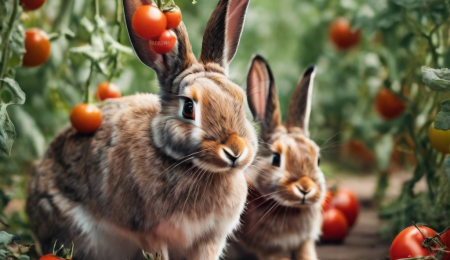
Rabbits are often kept as house pets or given access to rooms where houseplants are kept, and they will frequently chew on anything within reach. Many plants toxic to dogs and cats are also toxic to rabbits, with some additional species of concern:
| Plant | Risk to Rabbits | Symptoms |
|---|---|---|
| Foxglove (Digitalis) | Severe — potentially fatal | Heart arrhythmias, collapse |
| Rhododendron / Azalea | Severe | Vomiting, weakness, collapse |
| Ivy (all species) | Moderate | Digestive upset, drooling |
| Tomato plant (leaves/stems) | Moderate | GI upset, lethargy — solanine toxicity |
| Peace lily | Moderate | Oral irritation, digestive upset |
| Aloe vera | Mild–moderate | Diarrhoea, digestive upset |
Pet-Safe Indoor Plant Alternatives for UK Homes
Choosing pet-safe houseplants does not mean sacrificing variety or visual appeal. The following plants are confirmed as non-toxic to dogs and cats by the RSPCA and ASPCA, and are widely available in UK garden centres:
| Safe Plant | Safe for Dogs? | Safe for Cats? | Care Level |
|---|---|---|---|
| Spider plant (Chlorophytum comosum) | ✔ Yes | ✔ Yes | Easy |
| Boston fern (Nephrolepis exaltata) | ✔ Yes | ✔ Yes | Moderate |
| Orchid (Phalaenopsis) | ✔ Yes | ✔ Yes | Easy–moderate |
| Bamboo palm (Chamaedorea seifrizii) | ✔ Yes | ✔ Yes | Moderate |
| African violet (Saintpaulia) | ✔ Yes | ✔ Yes | Easy |
| Calathea / Prayer plant | ✔ Yes | ✔ Yes | Moderate |
| Ponytail palm (Beaucarnea recurvata) | ✔ Yes | ✔ Yes | Easy |
| Peperomia (all species) | ✔ Yes | ✔ Yes | Easy |
Tip: If you are unsure about a specific plant, the RSPCA’s toxic plant database and the ASPCA Animal Poison Control plant list (aspca.org/pet-care/animal-poison-control/toxic-and-non-toxic-plants) are the most comprehensive freely available references for UK and international pet owners.
What to Do If Your Pet Eats a Toxic Plant
Speed matters. If you see your pet eat any part of a plant you believe to be toxic, or if they show any of the symptoms listed above, take the following steps:
- Identify the plant if possible — photograph it or note the name. This helps your vet assess the level of risk quickly.
- Contact your vet immediately or, if outside vet hours, an emergency veterinary service.
- Call the Animal Poison Line UK: 01202 509000 — a specialist toxicology service staffed by veterinary experts. A call fee applies but the service provides specific guidance based on the plant species and the size and species of your pet.
- Do not induce vomiting unless specifically instructed to do so by a vet. For some plant toxins, inducing vomiting can cause further harm.
- Do not wait for symptoms to worsen before seeking advice — some plant toxins (particularly lily toxicity in cats) cause severe internal damage before visible symptoms appear.
Frequently Asked Questions: Toxic Plants and Pets UK
Yes — lilies are among the most dangerous plants for cats found in UK homes. All species of the Lilium and Hemerocallis genera (true lilies and day lilies) can cause acute kidney failure in cats within 24–72 hours. Even very small amounts — including pollen landing on fur and being ingested during grooming — can be fatal. The RSPCA and Cats Protection both advise removing all lily plants from homes where cats live. Peace lilies (Spathiphyllum) are a different species and less severely toxic, though still harmful.
Yes — despite its reputation as a medicinal plant safe for humans, aloe vera is toxic to dogs and cats. The inner gel contains compounds (anthraquinone glycosides) that cause vomiting, diarrhoea and lethargy. If your dog chews an aloe plant, contact your vet.
Yes. Pothos (Epipremnum aureum) is one of the most widely grown houseplants in UK homes and is toxic to both dogs and cats. It contains insoluble calcium oxalate crystals which cause intense burning and irritation in the mouth, throat and digestive tract. Symptoms include drooling, pawing at the mouth, vomiting and difficulty swallowing.
The Animal Poison Line (APL) is a UK-based specialist toxicology service for pet owners and vets, staffed by veterinary toxicologists. It covers over 100,000 potentially toxic substances. The number is 01202 509000 and a call fee applies. The APL provides specific risk assessments based on the toxin, the dose ingested and the species and weight of the animal involved — information that allows vets to make faster and more accurate treatment decisions.
Yes — there are many beautiful houseplants that are confirmed non-toxic to dogs and cats, including spider plants, orchids, Boston ferns, calathea, African violets and peperomia. The key is to check each plant species before purchasing. The ASPCA toxic and non-toxic plant database is the most comprehensive free reference for this purpose.
RSPCA — toxic plants for dogs and cats (rspca.org.uk). PDSA — plant poisoning in pets (pdsa.org.uk). Blue Cross — plants poisonous to dogs (bluecross.org.uk). Cats Protection — lily toxicity in cats (cats.org.uk). Animal Poison Line UK — 01202 509000 (animalpoisonline.co.uk). ASPCA Animal Poison Control — toxic and non-toxic plant database (aspca.org). Rabbit Welfare Association & Fund — toxic plants for rabbits (rabbitwelfare.co.uk).


Leave a Reply